

beveled glass mirror
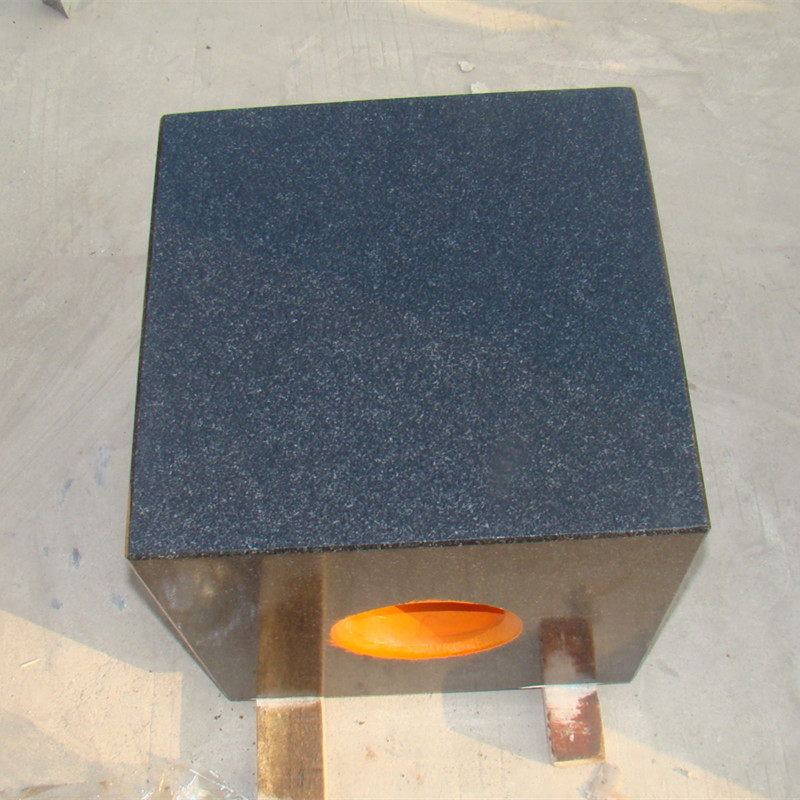
The Marble Box A Symbol of Artistry and Tradition In a quaint workshop nestled on the outskirts of a bustling town, a group of artisans dedicates their craft to a singular object that is both functional and aesthetically pleasing the marble box. These exquisite creations, often made from a combination of rich mahogany and polished marble, serve not just as storage solutions but also as beautiful decorative pieces that tell stories of culture, tradition, and artistry. The marble box has a long-standing history that dates back to ancient civilizations. In ancient Egypt, for instance, similar containers were used to hold precious items and were often adorned with intricate carvings. They were believed to protect the items within and were sometimes even buried with the deceased as part of their journey into the afterlife. Today, while the purpose of storage remains, the marble box has evolved into an artistic element that transcends mere functionality. Crafting a marble box requires a blend of skill, patience, and an eye for detail. Artisans meticulously select high-quality marble, often sourced from regions known for their unique veining and color variations. The process begins with sketching designs that incorporate both the angular lines of the box and the flowing patterns of the marble itself. Each artisan brings their own unique touch, resulting in pieces that are not only practical but also embody a distinctive personality. The construction of the marble box typically involves several stages. First, the marble is cut into manageable pieces before being polished to a gleaming finish. The warmth of the wood contrasts beautifully with the cool, smooth surface of the marble, creating a harmonious balance . Once the main structure is set, artists may choose to engrave or inlay additional designs, from floral motifs to geometric patterns, that reflect various cultural traditions. This attention to detail transforms a simple container into a canvas of artistry. marble box Beyond their aesthetic appeal, marble boxes can also serve multiple purposes. Historically, they have been used to house keepsakes, jewelry, and even writing instruments. In modern times, their uses have expanded. Some people opt to use marble boxes as decorative storage solutions for office supplies, personal treasures, or even as unique gift boxes for special occasions. Their versatility makes them a cherished item in homes and businesses alike. Moreover, the marble box transcends geographical boundaries, representing a fusion of artistic styles from different cultures. For example, Italian artisans might incorporate Renaissance-inspired designs, while Middle Eastern craftsmen may opt for intricate geometric patterns originating from their rich heritage. This blend of styles not only enhances the beauty of the marble box but also signifies the shared appreciation for artistry across civilizations. The resurgence of handcrafted goods in recent years has garnered renewed interest in products like the marble box. Many people are seeking unique, artisanal items that carry a story, contrasting sharply with the mass-produced offerings available in stores. Purchasing a marble box often means supporting local artisans and preserving traditional craftsmanship, contributing to the sustainability of age-old practices. In conclusion, the marble box is more than just a simple storage solution; it is a masterpiece that embodies a rich cultural history and showcases the skill of its creator. Whether it is a family heirloom passed down through generations or a modern design that fits seamlessly into contemporary decor, the marble box holds the power to evoke nostalgia and admiration. As we embrace a world that increasingly values individuality and craftsmanship, the marble box stands as a timeless testament to the beauty of handmade artistry.
about
beveled glass mirror
Understanding Level Suppliers in Supply Chain Management In the world of supply chain management, the term level supplier refers to the classification of suppliers based on their strategic importance, capabilities, and the role they play in the supply chain ecosystem. This concept is crucial for businesses looking to optimize their sourcing strategies and build resilient supplier relationships. Level suppliers can generally be categorized into three tiers tier 1, tier 2, and tier 3 suppliers. Tier 1 suppliers are the primary providers that deal directly with the manufacturer, supplying critical components or services that directly impact production. Their reliability, quality, and innovation capabilities significantly influence the success of the end product. On the other hand, tier 2 suppliers support tier 1 suppliers with secondary components or raw materials. Finally, tier 3 suppliers produce basic raw materials or commodities that are essential but may not be directly involved in the final product delivery. The classification of suppliers into these levels plays an essential role in risk management and procurement strategies. By identifying tier 1 suppliers, companies can prioritize relationships and establish tighter collaboration, leading to enhanced product quality, improved delivery timelines, and shared innovation efforts. For example, in the automotive industry, a tier 1 supplier might be responsible for the assembly of complex systems, while tier 2 suppliers would provide specific parts, such as electronic components or mechanical assemblies. level supplier Moreover, understanding the level of suppliers allows companies to manage risks effectively. With tier 1 suppliers representing a more significant operational risk, businesses must conduct thorough assessments to ensure these suppliers have robust processes to handle market fluctuations, supply disruptions, and regulatory compliance. Extended due diligence not only helps mitigate risks but also strengthens the overall supply chain resilience. In today’s fast-paced market, where disruptions such as natural disasters, geopolitical tensions, and pandemics can affect supply chains, managing level suppliers strategically has become increasingly vital. Organizations are adopting more proactive approaches by diversifying their supplier base and establishing contingency plans . These strategies enable businesses to reduce dependency on a limited number of suppliers, thereby minimizing vulnerability in times of crisis. Technological advancements, such as blockchain, artificial intelligence, and big data analytics, have further transformed the way companies interact with level suppliers. These technologies provide enhanced visibility throughout the supply chain, leading to better decision-making and more effective supplier management practices. For instance, predictive analytics can help organizations foresee potential disruptions and proactively engage with their suppliers to devise alternative strategies. In conclusion, understanding level suppliers is fundamental for businesses aiming to enhance their supply chain efficiency and robustness. By classifying suppliers into tiers and nurturing relationships with tier 1 suppliers, companies can drive innovation, manage risks better, and ensure a steady flow of quality materials needed for production. As global markets continue to evolve, the strategic management of level suppliers will be a critical component for future success in supply chain operations.
-

High quality industrial productsagement

High quality industrial products
View Details -

Meet the diverse needs of customers

Meet the diverse needs of customers
View Details -

Strict quality control

Strict quality control
View Details -

Top raw materials

Top raw materials
View Details -

Trusted supplier

Trusted supplier
View Details
Our application


news and information
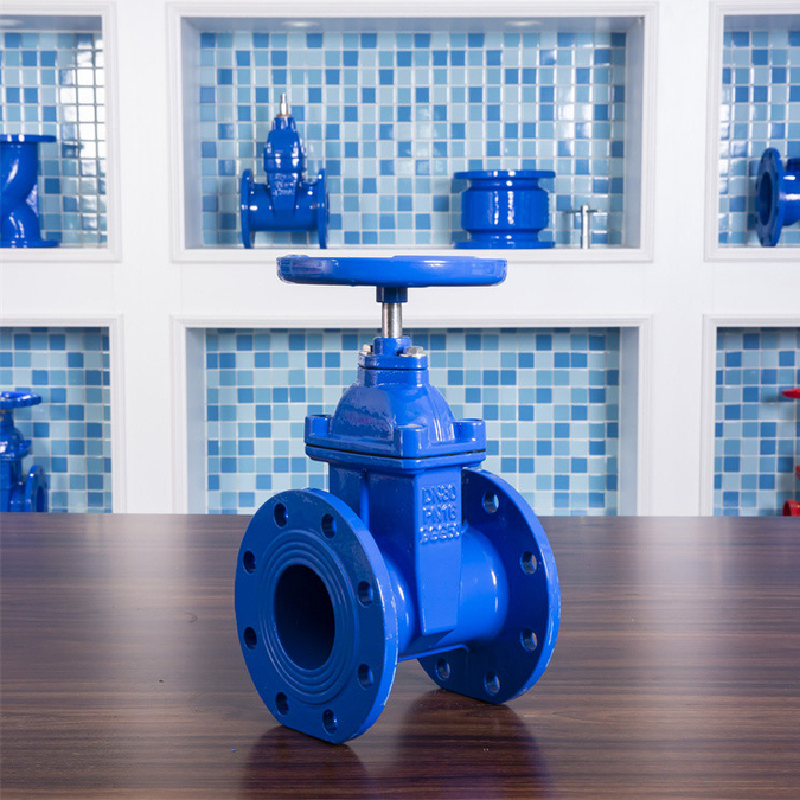
Y-type filter_ a mechanical tool to improve filtration efficiency
As a common filtration equipment, Y filter is widely used in various industries. With its unique des
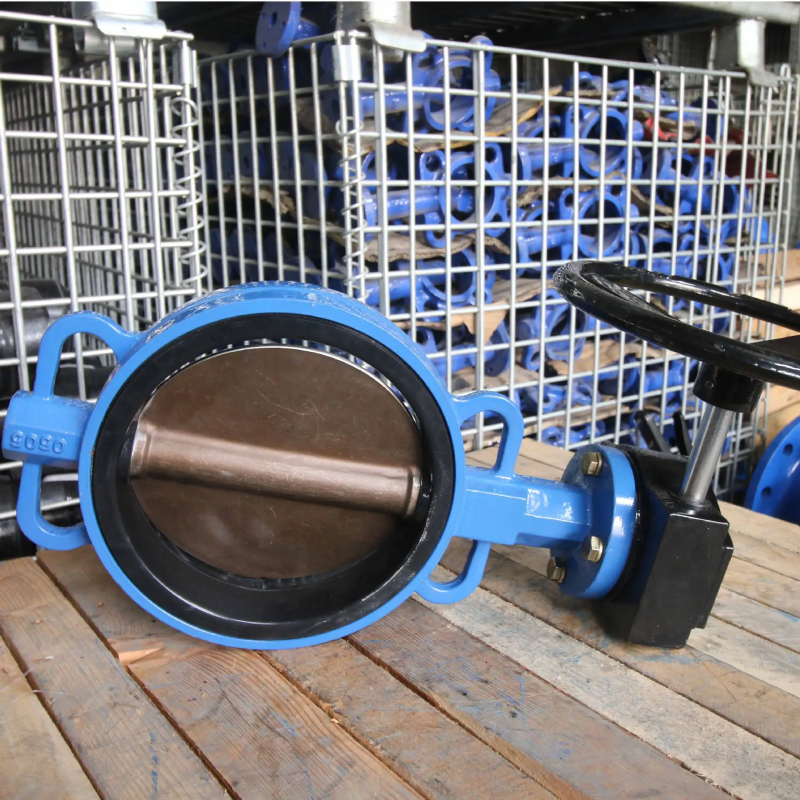
wood frame truss nail plate
Understanding Wood Frame Truss Nail Plates A Structural Perspective In the realm of modern construct
Wooden connectors for timber structures
The Indispensable Role of Wood Timber Connectors in Modern Construction Wood timber connectors play
 English